
How do legal and humanitarian frameworks render gendered harm administratively invisible during protracted conflict?
Introduction: Invisible Needs in Plain Sight
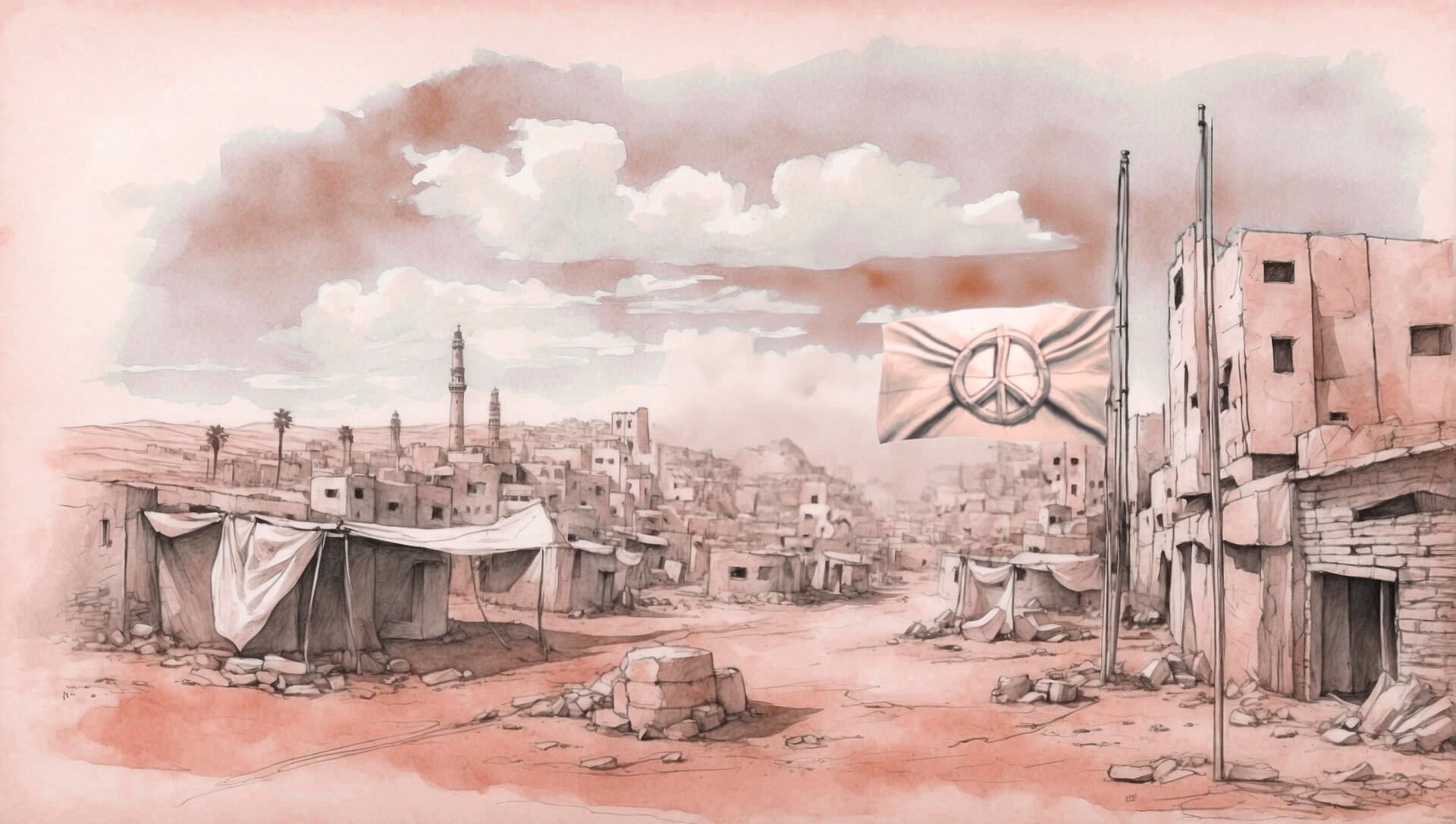
Armed conflict reshapes humanitarian priorities in ways that often render certain needs invisible. In Gaza, where prolonged hostilities have devastated infrastructure, displaced populations, and overwhelmed health systems, menstrual and reproductive health has emerged as one of the most systematically neglected dimensions of civilian harm. This neglect is not merely a logistical failure; it is a governance failure that exposes persistent gaps in how international humanitarian law, human rights law, and humanitarian response frameworks conceptualize gendered needs in conflict.
Menstrual health is an integral component of sexual and reproductive health and rights, closely linked to dignity, bodily autonomy, and the right to health. Yet in emergency settings, it is frequently deprioritized and subsumed under broader categories of medical care or hygiene without explicit recognition. The humanitarian crisis in Gaza demonstrates how this invisibility translates into concrete harm for women and girls living under siege, displacement, and infrastructural collapse.
Infrastructure Collapse and Gendered Health Risks
Since October 2023, Gaza’s humanitarian situation has deteriorated sharply. Damage to water, sanitation, and electricity systems has severely restricted access to safe hygiene conditions, while repeated displacement has eroded privacy and continuity of care. By mid-2025, an estimated 700,000 menstruating women and girls were unable to meet basic menstrual hygiene needs. Water availability in shelters has fallen below internationally accepted humanitarian minimums, and sanitation facilities are frequently overcrowded, unsafe, or non-functional.
At the same time, severe shortages of menstrual hygiene products, driven by blocked supply chains and inflation, have placed basic items beyond reach for many families. Women and girls have been forced to rely on improvised or reused materials, increasing risks of infection, pain, and long-term reproductive complications. These conditions illustrate how infrastructural collapse produces distinctly gendered health consequences during conflict.
Psychological Harm and Loss of Dignity
The consequences of inadequate menstrual care extend beyond physical health. Managing menstruation under constant insecurity carries a significant psychological burden, particularly for adolescents. In overcrowded shelters where privacy is scarce, menstruation becomes a source of anxiety, stigma, and shame. The inability to manage one’s body with dignity reinforces broader patterns of disempowerment that women and girls experience in conflict settings, yet these harms remain marginal within formal humanitarian assessments.
Legal Protection Without Explicit Recognition
International legal frameworks offer only partial protection against these harms. Under the Fourth Geneva Convention, parties to a conflict must ensure medical care for civilians and facilitate access to essential supplies. IHL recognises women as protected persons in armed conflicts and, in doing so, establishes specific protections that reflect their particular needs. In addition to general safeguards, IHL explicitly requires that expectant mothers and nursing mothers be given special care and respect, recognising their heightened vulnerability and unique medical and humanitarian needs during conflict. However, this emphasis on maternal care forms only part of the framework intended to reduce suffering among women since menstrual health is not explicitly articulated within these obligations, leaving its protection dependent on interpretation rather than a clear legal mandate.
International human rights law provides broader normative coverage. Instruments such as the Convention on the Elimination of All Forms of Discrimination Against Women and the International Covenant on Economic, Social and Cultural Rights affirm women’s rights to health, non-discrimination, and dignity, including in conflict settings. United Nations Security Council Resolution 1325 further emphasizes the protection of women during armed conflict.
Structural Gaps in Enforcement and Governance
Despite these legal commitments, enforcement mechanisms remain weak, particularly in protracted crises where accountability is diffuse and humanitarian access is restricted. The absence of explicit reference to menstrual health across legal and policy instruments reflects structural assumptions about whose needs are considered essential during war. Menstrual health frequently falls between sectors, addressed inconsistently across health, sanitation, and protection programming.
Humanitarian Responses and Their Limits
Humanitarian actors have undertaken important interventions to mitigate these challenges. Distribution of menstrual and dignity kits, deployment of mobile health units, and the creation of limited gender-segregated sanitation facilities have provided critical relief. Local women-led organizations have played a vital role in delivering culturally appropriate education, peer support, and adaptive solutions under extreme constraints.
Nevertheless, these efforts remain insufficient relative to the scale of need. While relief efforts involve the distribution of hygiene kits, complementary services such as adequate water, sanitation, and hygiene facilities vary widely across contexts.
Toward Gender-Responsive Humanitarian Governance
Addressing menstrual health in Gaza requires a coordinated, rights-based approach that bridges law, policy, and practice. Menstrual health must be explicitly integrated into humanitarian standards, operational guidelines, and funding priorities, ensuring it is treated as a core public health and protection concern. Legal interpretation under international humanitarian and human rights law should move beyond formal neutrality toward substantive equality, recognizing gender-specific needs as integral to civilian protection.
Supporting local women-led organizations, strengthening data collection on menstrual health outcomes, and integrating psychosocial care into reproductive health services are essential steps toward accountability and effectiveness. Menstrual health should not depend on discretionary programming or emergency advocacy. Its protection must be institutionalized within humanitarian governance structures.
Conclusion: Making Gendered Harm Legible
The crisis in Gaza demonstrates the consequences of neglecting menstrual health in armed conflict, not only through physical harm but through sustained erosion of dignity, autonomy, and equality. Until menstrual health is systematically recognized within international legal interpretation and humanitarian response, women and girls will continue to bear silent and preventable burdens of war.
Recognizing these realities is not symbolic. It is a test of whether international law and humanitarian governance can evolve beyond abstract protection to address lived experiences of conflict, ensuring that gendered harm is neither normalized nor rendered administratively invisible during prolonged crises with lasting global implications today.
 IntLawGrrls
Leave a comment