
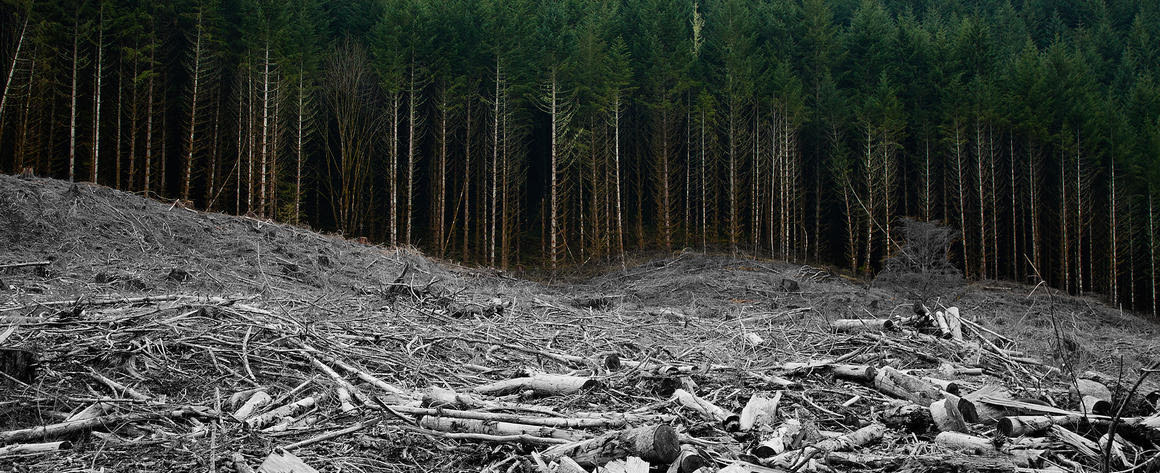
The Aravalli hills and the Great Nicobar Island are among the most ecologically important regions in the Indian subcontinent. They foster complex ecosystems and wildlife habitats, and contribute significantly to environmental stability, including air quality regulation. These ecosystems also sustain large indigenous populations, which rely on them for cultural continuity, livelihood, and survival. However, recent pushes for mining and large-scale development projects in these regions threaten to expose both megacity and indigenous communities to declining public health, loss of dignified living conditions, and even massive displacement. These consequences disproportionately affect women of these communities, who are often forced to bear the brunt of environmental degradation.
The Aravalli region is indispensable to the National capital. It serves as a critical barrier against desertification by an eastward spread of the Thar Desert, it supports groundwater recharge for rivers, and for a city that is consistently ranked as one of the most polluted in the world, any rise in particulate matter or other pollutants, from mining and other developmental activities, would be of grave consequence. The Supreme Court of India, in a suo moto case on November 20, 2025, narrowed down the definition of “forest land” or “hills”, as landforms rising 100m+ above local relief, further compounding these concerns by reducing environmental protection for the range, leaving the un-demarcated territory vulnerable to mining and other developmental projects.
Similarly, the Great Nicobar, a very fragile reef ecosystem, is an ecologically integral part of India. At a time when coral reef systems around the world are already facing significant degradation, the Holistic Development of Great Nicobar IslandProject aims to transform the dense rainforests and indigenously populated area into a strategic and commercial hub. This project threatens to dislocate native species and communities and also cause irreversible damage to the terrestrial and marine ecosystem.
In spite of the scale of ecological and human harm that these projects threaten, the Indian State’s response has overwhelmingly relied on environmental clearances, constitutional workarounds, and corporate social responsibility frameworks as sufficient safeguards. The directive by the Supreme Court to establish oversight bodies to assess development in environmentally sensitive areas further reflects a dependence on procedural formalism. In the case of Aravalli hills, the responsibility of environmental monitoring, and to develop a uniform definition of the Aravalli range, has been assigned to a purportedly “independent” committee. The committee is made up primarily of government officials, which raises concerns about independent scrutiny and runs the risk of bias, especially in cases where the government is in favour of mining. Therefore, these safeguards function more as symbolic assurances, than serve any practical function to provide accountability. The lack of accountability raises serious concerns as, for decades, both domestic and international human rights jurisprudence has acknowledged that severe environmental harm can amount to violation of human rights obligations. In recent years, international bodies have upheld the right to a clean, healthy, and sustainable environment, reflecting a growing consensus in the international community that harm to the environment directly undermines the rights to life, health, and dignity. Therefore, when large-scale development threatens these essential ecosystems, environmental harm becomes inseparable from violations of collective, cultural, and individual rights.
The lack of both meaningful consent and participation of indigenous communities further illustrates the gap between international expectations, set through innumerable treaties and conventions, and domestic realities. The developmental activities necessary to carry out such projects would result in massive, irreversible cultural loss.
Experiences from regions like Plachimada showcase how large-scale developmental projects, which sideline indigenous participation, adversely affect the communities through loss of tradition, lifestyle, and land — which are foundational to their identities. In March 2000, a Coca-Cola bottling plant was established at Plachimada, a small village in the Palakkad district of Kerala. Many community members were coerced into selling their agricultural land, under the pretext of employment opportunities, which failed to materialize on a significant scale. The commencement of factory activities was marked by unrestricted groundwater extraction, and gross mismanagement of waste. This rendered the potable water supply toxic due to excessive contamination. As a result, the tribal communities faced losses that reached far beyond material harm, and threatened public health, cultural continuity, and social cohesion.
The struggle against the Plachimada water crisis, led by ecofeminist Mayilamm, also highlights the disproportionate effects of environmental degradation on women. In the Plachimada case, the women of the community had to forgo work and education, as they were forced to travel longer to secure clean water. Women also had specific health needs requiring water, particularly postpartum and during menstruation, as well as being the ones who conduct household tasks like food preparation requiring water. In situations of crises, women are frequently forced to assume responsibility for securing essential resources, while remaining excluded from the discussions that produce such circumstances. The experience of women in Plachimada deepens the concerns regarding the impact of potential developmental projects in regions such as the Aravalli hills and Great Nicobar Island, which would not only lead to devastating ecological consequences, but would also put the women of the community in these areas at heightened risk and would deepen gender inequalities in affected communities, as women’s groups are not being consulted or included in discussions related to these development projects.
In the context of Aravalli hills and Great Nicobar Island, women of Bhil or Nicobarese tribes, are central to household subsistence and local ethnobotanical knowledge, that is, gathering food, and medicinal plants that sustain community health and livelihood. The degradation of these ecosystems therefore risks expanding women’s unpaid labour due to longer water collection trips, eroding gendered knowledge systems, and excluding women from decision-making over projects that reshape their environments.
The destruction of ecosystems, such as the Aravalli hills and Great Nicobar Island, therefore represent not only ecological harm, but the inevitable erosion of human dignity, and lived experiences. Ultimately, protecting the environment effectively requires this recognition, and it necessitates proactive frameworks that identify and minimize harm. In this context, the Indian Supreme Court needs to recognise environmental harm as a human rights issue, guided by international environmental and human rights norms. Further, the state functionaries owe accountability to affected communities beyond symbolic assurances, and the oversight bodies must have independent agency from the government to ensure the same. Only then can the development in these areas be sustained with the fragile ecosystems, and the rights of the very people it seeks to serve.

 IntLawGrrls
Leave a comment